Is Social Media Fueling Your Anxiety?
Signs, Science, and Solutions
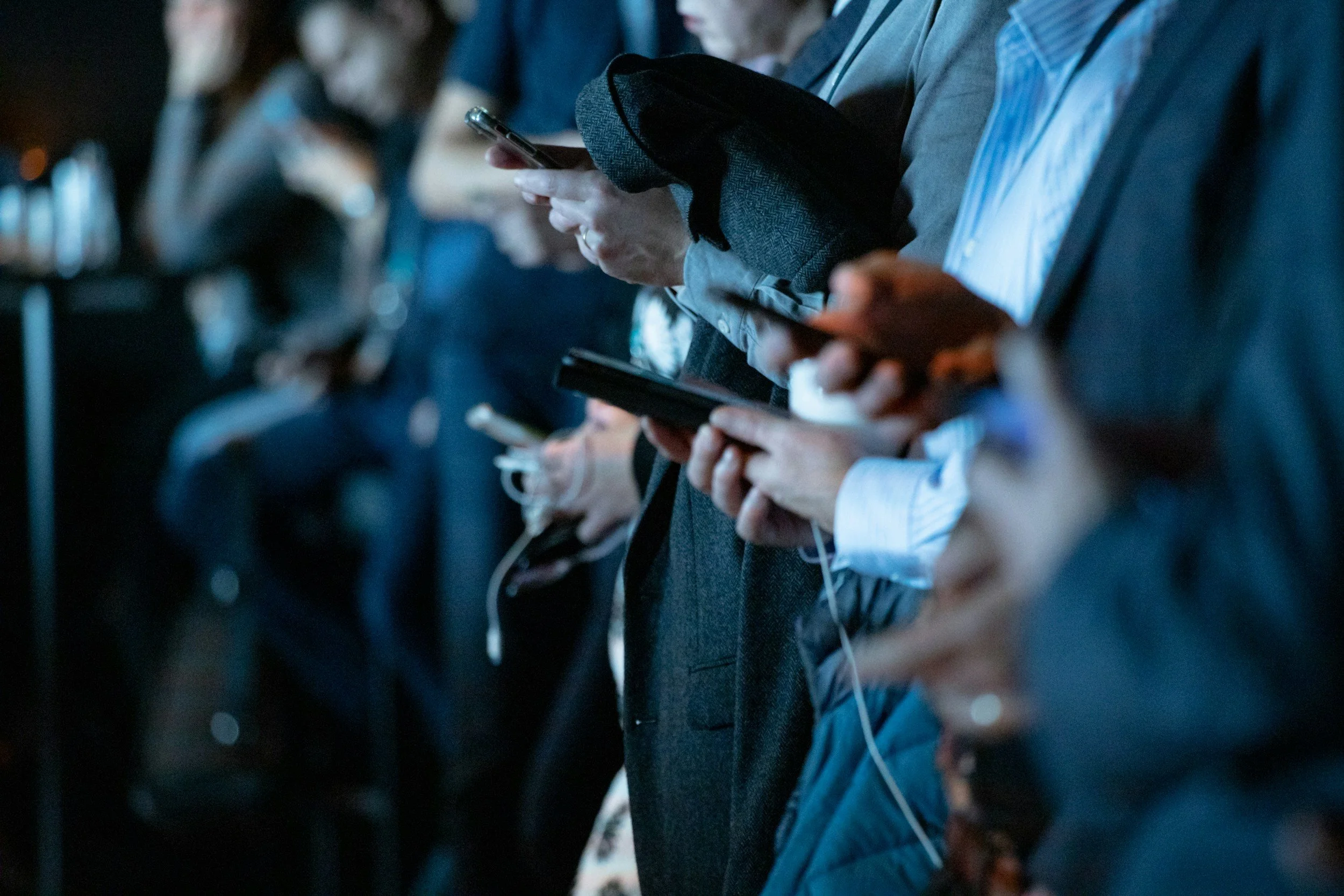
Social media is woven into our daily lives. It helps us stay connected, informed, and entertained. But for many people, it also quietly fuels anxiety, stress, and emotional overload.
If you’ve ever closed an app feeling tense, inadequate, overstimulated, or unable to sleep, you're not imagining it. Social media is designed to capture and hold attention, and our nervous systems weren’t built for constant stimulation, comparison, and information intake.
Let’s explore how social media can impact anxiety, and what you can do to create a healthier, more intentional relationship with technology.
How Social Media Can Increase Anxiety
Social platforms are built around dopamine-driven engagement loops, likes, comments, endless scrolling, and notifications that keep your brain “on alert.” Over time, this can contribute to chronic stress and anxiety.
Here are some of the most common ways social media impacts mental health:
1. Constant Comparison
Social media often presents curated highlight reels rather than real life. When we repeatedly compare ourselves to filtered, edited, and idealized versions of others, it can lead to:
Low self-esteem
Perfectionism
Body image concerns
Feelings of inadequacy or “falling behind”
Even when we know it’s not the full picture, our nervous system still reacts.
2. Nervous System Overload
Our brains are constantly scanning for safety. Rapid content changes, breaking news, emotionally charged posts, and notifications can keep the nervous system in a heightened state of alert.
This may show up as:
Feeling “wired but tired”
Difficulty relaxing
Irritability or emotional reactivity
Trouble focusing or completing tasks
3. Increased Anxiety and Rumination
Scrolling often becomes a way to cope with discomfort, yet it can increase worry rather than relieve it. Exposure to distressing news, social conflict, or polarized opinions can intensify anxious thinking and rumination.
Instead of calming the mind, we stay mentally activated.
4. Sleep Disruption
Using social media at night interferes with sleep in multiple ways:
Blue light suppresses melatonin
Emotional content activates the brain
Scrolling delays bedtime without awareness
Poor sleep then worsens anxiety, mood, and stress tolerance, creating a cycle that’s hard to break.
Signs Social Media May Be Affecting Your Mental Health
You might notice:
Feeling anxious, tense, or inadequate after scrolling
Reaching for your phone automatically when stressed
Difficulty sleeping or “shutting off” your mind
Mood changes tied to engagement, likes, or messages
Feeling disconnected from yourself or others
Awareness is not about judgment, it’s about information.
Do You Have to Delete Social Media?
Not necessarily.
For most people, anxiety isn’t caused by social media alone, it’s caused by how, when, and why it’s being used.
The goal isn’t elimination. It’s intentional use and nervous system regulation.
Practical Steps to Reduce Social Media–Related Anxiety
✔ Create Gentle Boundaries
Set time limits or designated scrolling windows
Avoid social media first thing in the morning and before bed
Turn off non-essential notifications
✔ Curate Your Feed
Unfollow accounts that increase anxiety or comparison
Follow content that feels grounding, realistic, or supportive
Remember: your feed is your environment
✔ Notice Emotional Triggers
Pay attention to how your body feels before, during, and after scrolling. Anxiety often shows up physically before we recognize it mentally.
✔ Replace Automatic Scrolling
When you notice the urge to scroll, pause and ask:
“What do I actually need right now?”
Sometimes the answer is rest, connection, movement, or reassurance, not more content.
How Therapy Can Help
Therapy can support you in:
Identifying emotional and nervous system triggers
Reducing anxiety and overstimulation
Addressing comparison, perfectionism, and burnout
Building healthier coping strategies
Creating boundaries that actually stick
Most importantly, therapy helps you reconnect with yourself, so technology becomes a tool, not a source of stress.
A Final Thought
If social media leaves you feeling anxious, overwhelmed, or disconnected, it’s not a personal failure, it’s a nervous system response to overstimulation.
You don’t need to do more. You need more balance, more awareness, and more support.
If anxiety, burnout, or stress are starting to feel like your baseline, you don’t have to navigate it alone.
Interested in support?
Therapy can help you reset your relationship with stress, technology, and yourself, so you can feel calmer, clearer, and more grounded again.
Stress Less. Live More. Thrive Forward.
